ELEVATING LEADERSHIP.
12
YEARS IN THE INDIAN ARMY
5
ORGANISATIONS LED AS CEO OR PRESIDENT
100M+
VIEWS ACROSS PLATFORMS
SOLDIER. CEO. STORYTELLER.
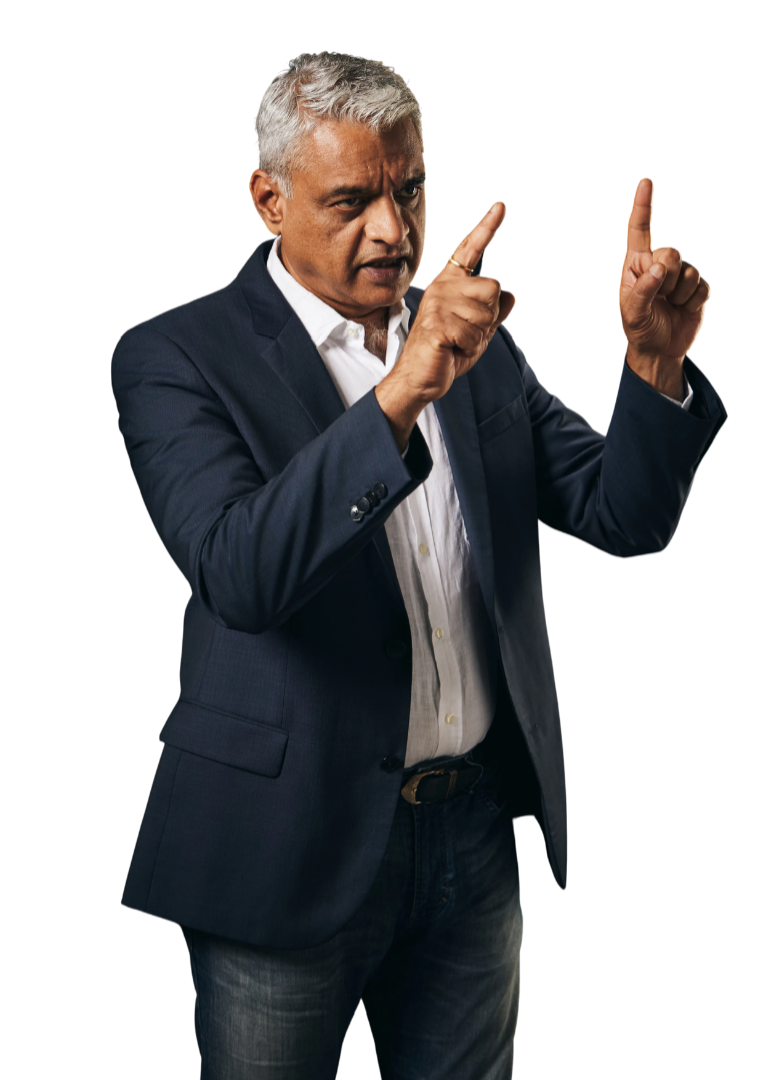
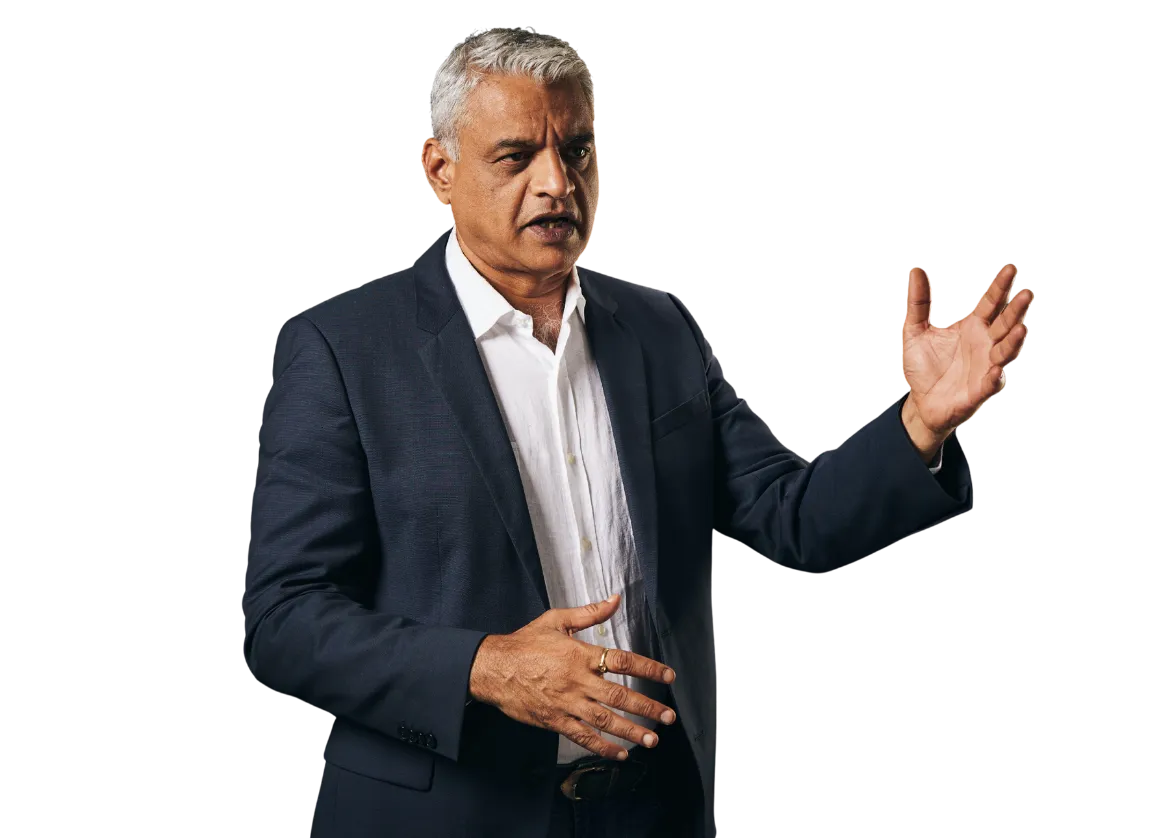
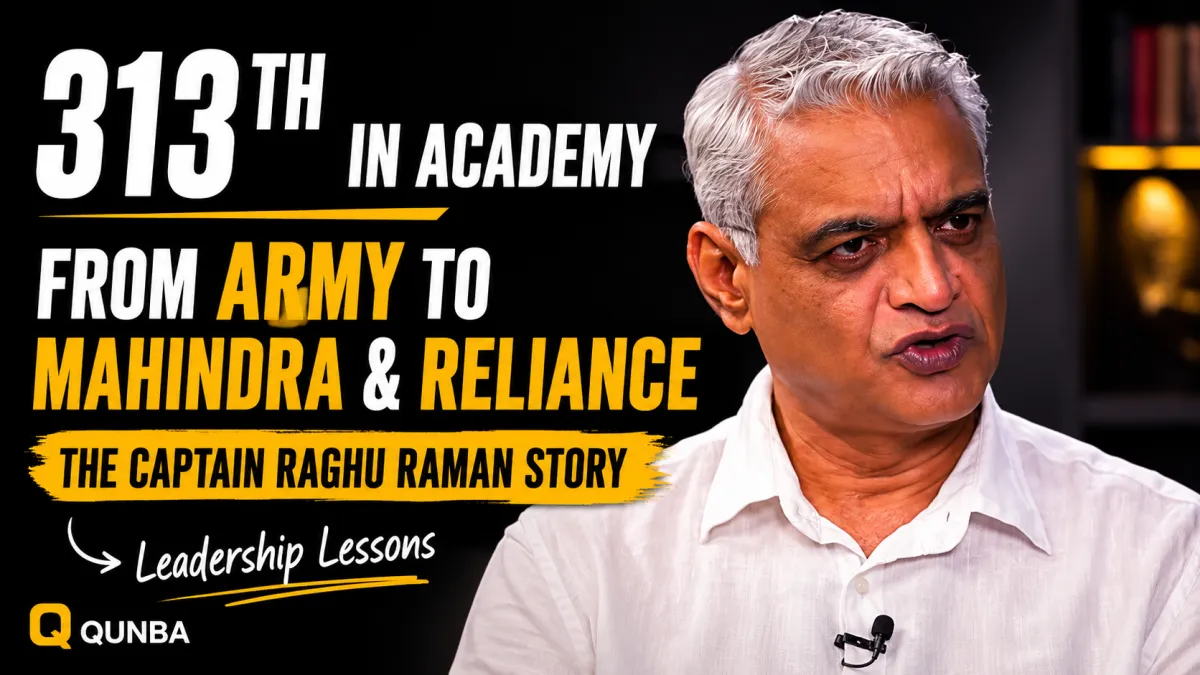
Captain Raghu Raman spent a decade in the Indian Army. He served in counter terrorism operations in Punjab, held positions on the Siachen Glacier, deployed as a United Nations peacekeeper, and taught leadership and strategy at the School of Armoured Warfare.
He then spent two decades as CEO or President of five organisations. At the Mahindra Group he set up the Mahindra United World College and led Mahindra First Choice, the Mahindra Special Services Group and a joint venture with British Aerospace. He was the founding CEO of NATGRID at the Ministry of Home Affairs, and Group President for Risk and New Ventures at Reliance Industries.
He designs and leads flagship leadership programmes inside some of India's largest companies. At the Adani Group he built and ran Fulcrum across three batches of senior leaders. At Mankind Pharma he currently leads Project Pole Vault.
Some sessions also run as open workshops rather than in house engagements. The storytelling programme runs over three days and is open to individual participants.
Today he is a Distinguished Fellow at the Observer Research Foundation, the author of the bestselling Everyman's War, and a columnist on national security and leadership. His talks have been watched over 100 million times across platforms. He teaches at business schools and government institutions, and advises leaders on strategy, communication, and building organisations that hold under pressure.
The nine sessions below draw on all of it. Not as theory, but as things that were actually done, in places where the consequences arrived immediately.
SESSIONS
LEADERSHIP AT 26,000 FEET
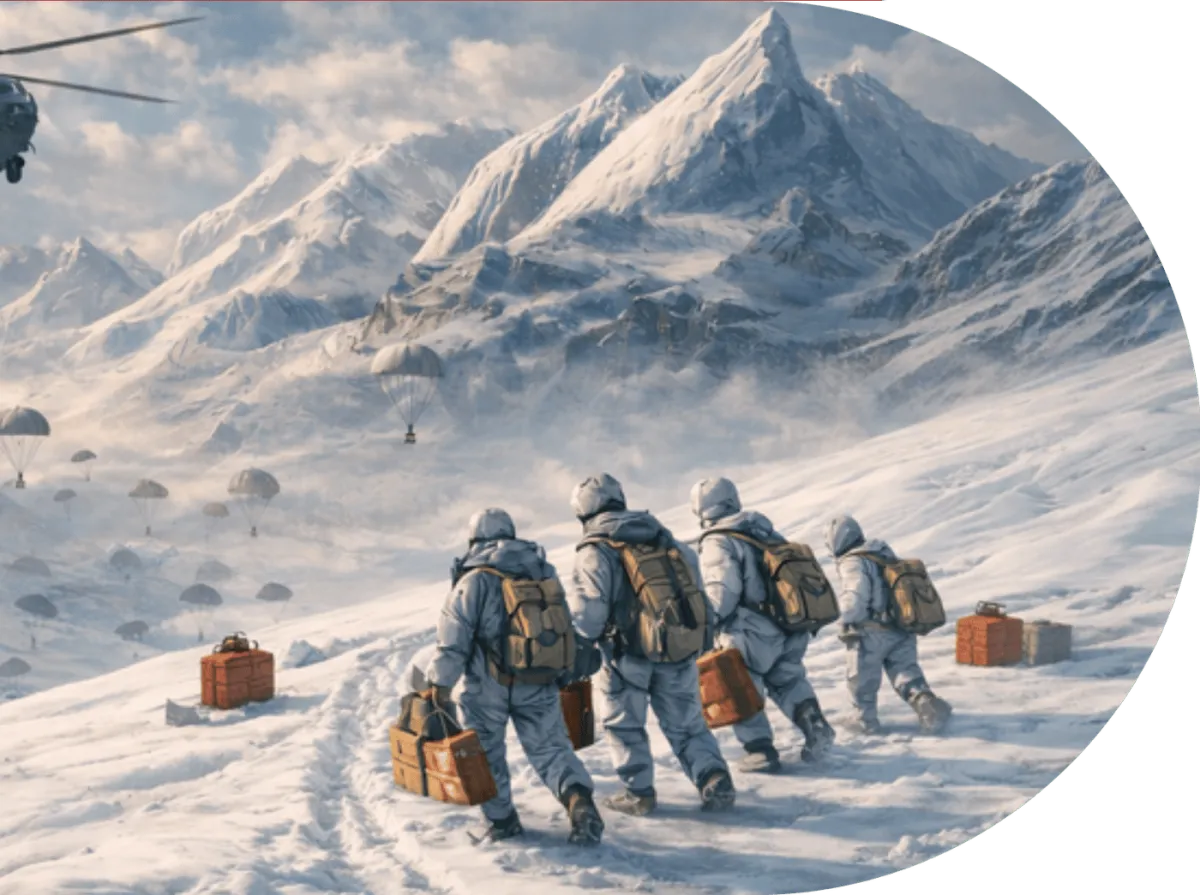
This flagship session explores leadership through a perspective completely different from learnings accessed through corporate boardrooms and academia. Based on combat leadership demonstrated by officers of the Armed Forces, it draws from real experiences in environments where decisions carry immediate and far-reaching consequences.
Delivered through immersive storytelling, the session shifts perspective. Participants explore leadership through the lens of a combat leader operating under extreme altitude, limited resources and daunting uncertainty. As they see their own world through this lens, there is a powerful realisation of both the triviality of certain challenges and the abundance of strength and capability within their own ecosystems.
OUTCOME
Participants leave with a strengthened sense of responsibility, greater clarity in high pressure decision making, higher tolerance for ambiguity and practical tools to cultivate resilience in complex environments.
THE FOUR DISEASES KILLING ORGANISATIONS
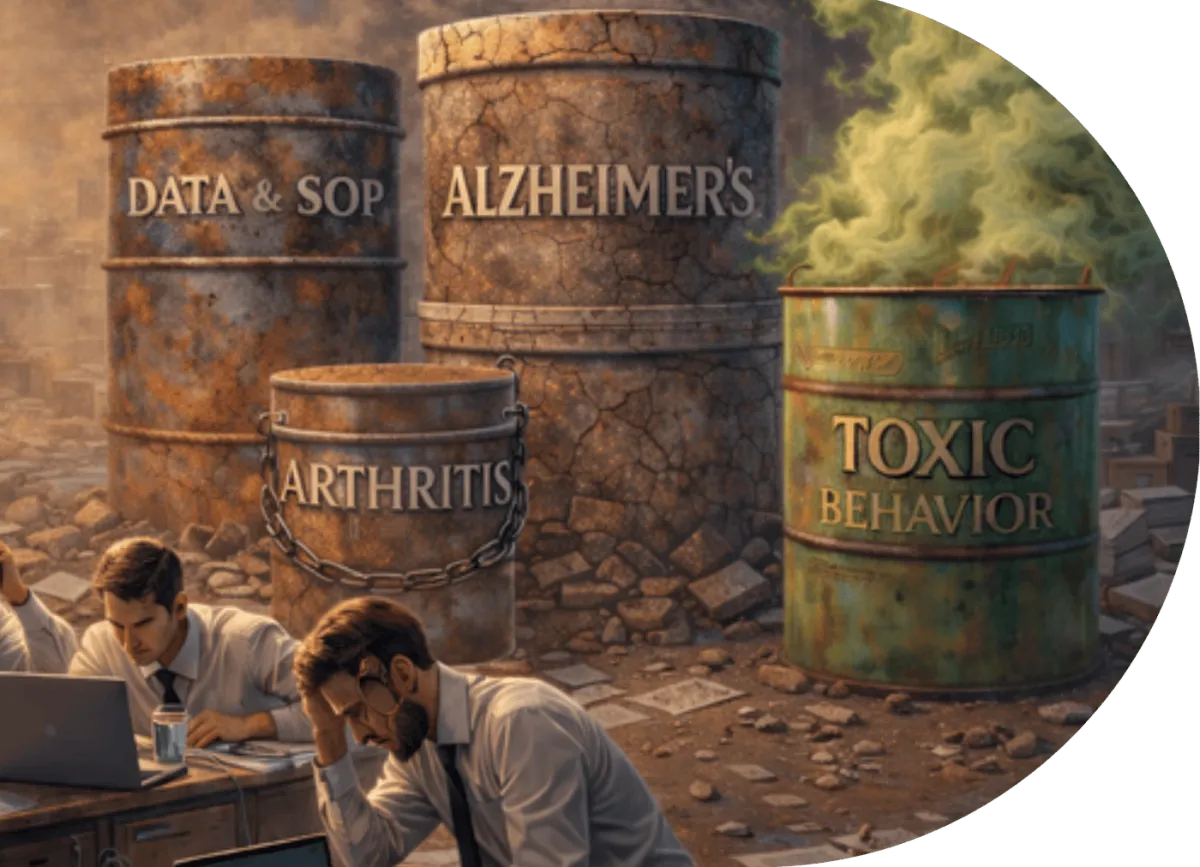
Organizations, much like human beings, are born, grow, mature and, if left unchecked, eventually decline. The forces that weaken them are rarely dramatic failures. They are slow-moving diseases that quietly erode vitality from within.
1.Arthritis. As organizations expand, bureaucracy becomes an unavoidable by-product. Hierarchies multiply, processes harden, accountability blurs and ownership weakens. Decision-making slows as leaders debate direction, protect turf and escalate matters through layers rather than act with clarity.
2.Coronary hardening. An overdependence on systems, SOPs and intermediaries. Leaders begin to follow procedure rather than exercise judgment. While technology, data and AI promise efficiency, organizations risk losing heart and leaders lose the moral courage to stick out theor neck and challenge status quo.
3.Alzheimer’s. Institutions forget their founding spirit — the audacity, optimism and grit that built them brick by brick. Charts and structures cannot capture this spirit; stories and lived narratives can.
4.Renal failure. When toxins are not eliminated, the body collapses. Likewise, when toxic behaviours and unresolved leadership conflicts are not addressed, destructive undercurrents take hold.
This session examines these patterns with candour and clarity, challenging leaders to restore trust, accountability and purpose. It calls for vulnerable leadership, psychological safety and a culture where meaning is created not by slogans, but by shared stories and disciplined action.
UNDERSTANDING INDIA*
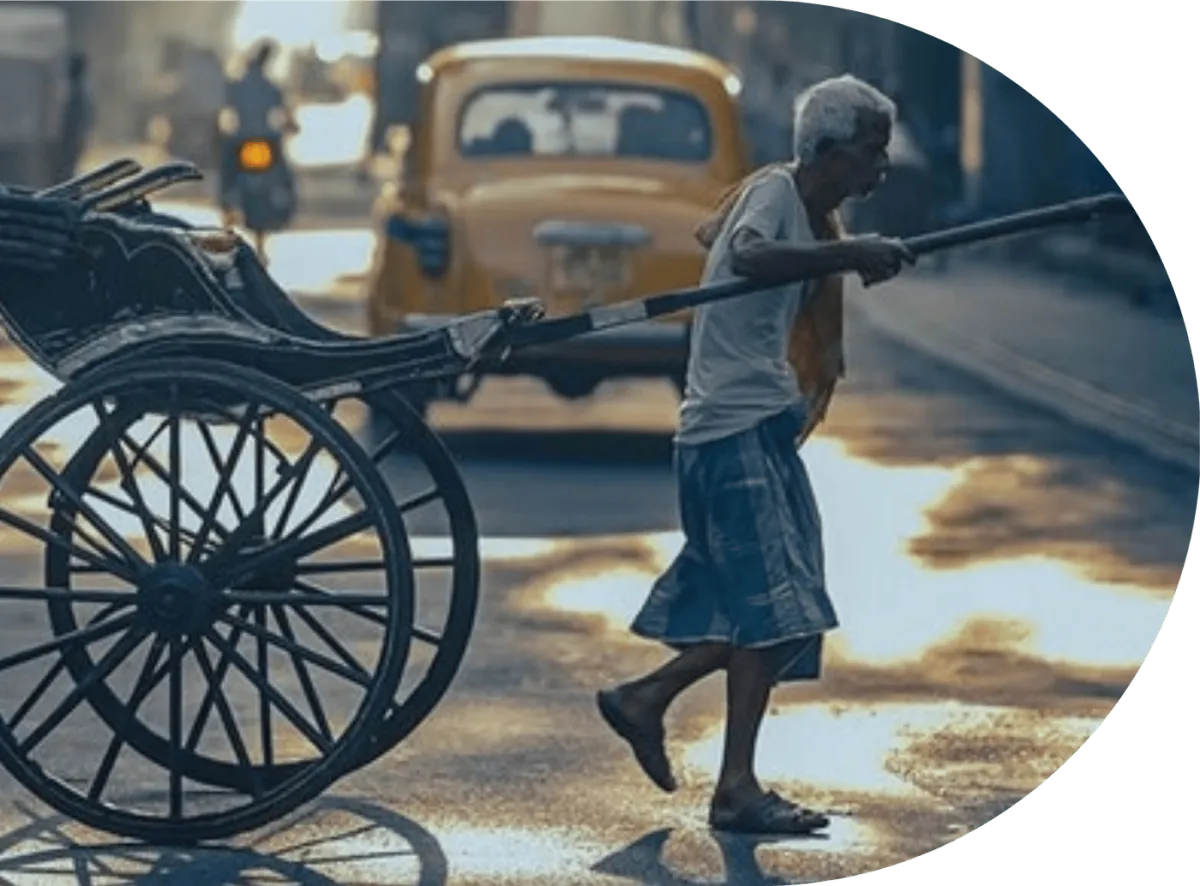
While many sessions and books address the economic, historical and statistical aspects of India, Capt. Raman deals with the subject in an unconventional manner. He draws upon his experience of India through the prism of the Indian Army, the largest mosaic of heterogeneous India, explaining the traits and the character of various regions and people.
Capt Raman's session is customized to suit the client's needs and gets to the heart of important questions that will shape anyone’s experience in India including - Why are Indians the way they are? Why are nuances such as hierarchy, consensus, deliberation etc. so important in the Indian context? Why do different parts of India need different management approaches?
*This session was designed for MNC’s who needed their leaders to get a nuanced cultural and leadership understanding of one of the fastest-growing markets of the world.
STORYTELLING
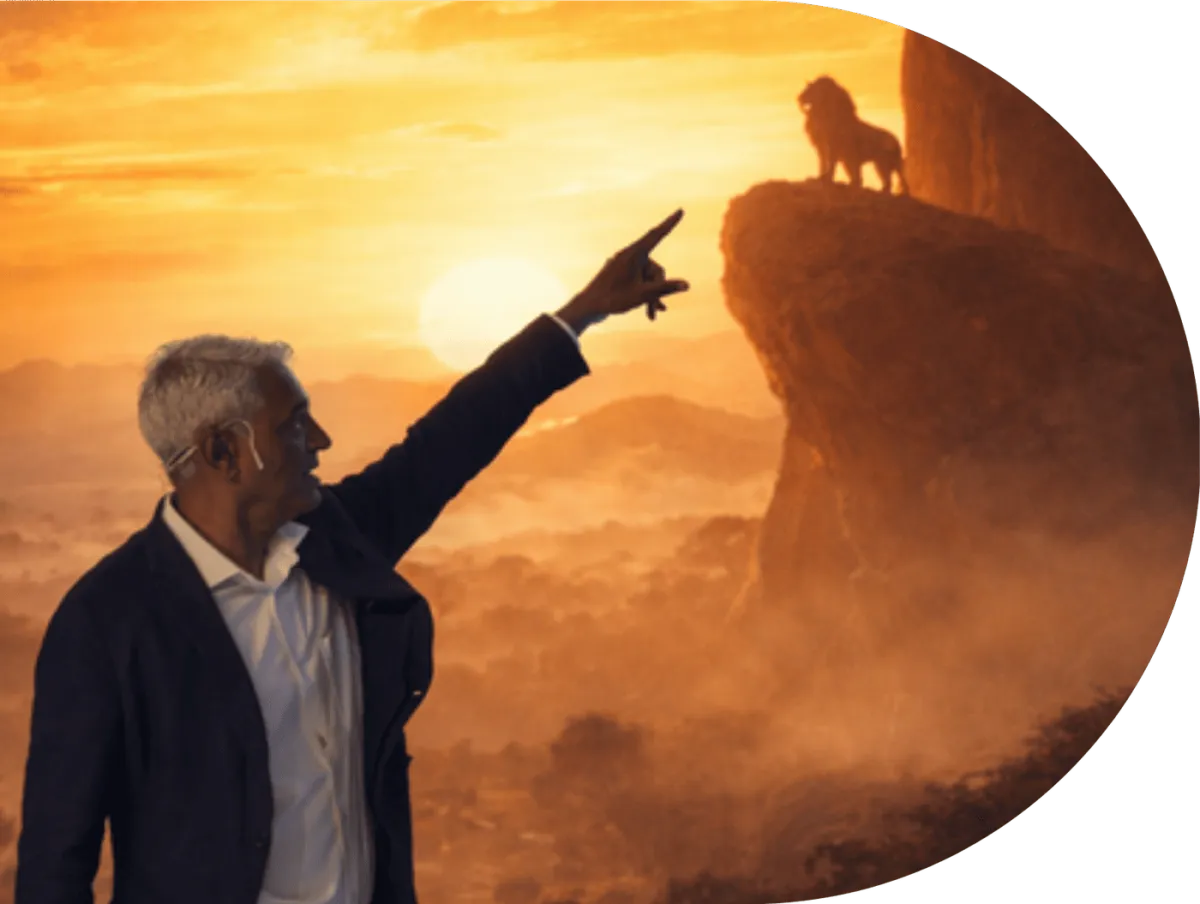
Storytelling is one of the most important competencies of leaders. The ability to communicate captivatingly and memorably is a powerful influential tool in the arsenal of an inspirational leader. Storytelling is not merely delivering good presentations or talks in forums, but the ability to craft a compelling narrative that resonates deeply with listeners and compels them into self-driven action.
This session draws upon the complex architectures and frameworks that form the foundation of powerful stories and applies them in practical ways to build a leadership ‘story’ repertoire that can be used and updated daily with minimum effort and maximum impact.
As organizations scale, stories become the glue that binds culture, values, legacy and DNA. Statistical numbers cannot inspire, but stories can. In a recovering world, this session enables the transformation from an authority-based leadership style into a persuasion-led or coaching style of leadership, especially engaging the young generation who are the future workforce, customers and decision-makers.
OUTCOME
The session positions effective story crafting as a force multiplier and a transformational leadership tool. Through practical guidelines, case studies and applied frameworks, participants build their own ‘anchor story’ and strengthen their ability to lead with influence, clarity and purpose rather than authority alone.
DESIGNING FOR CULTURE
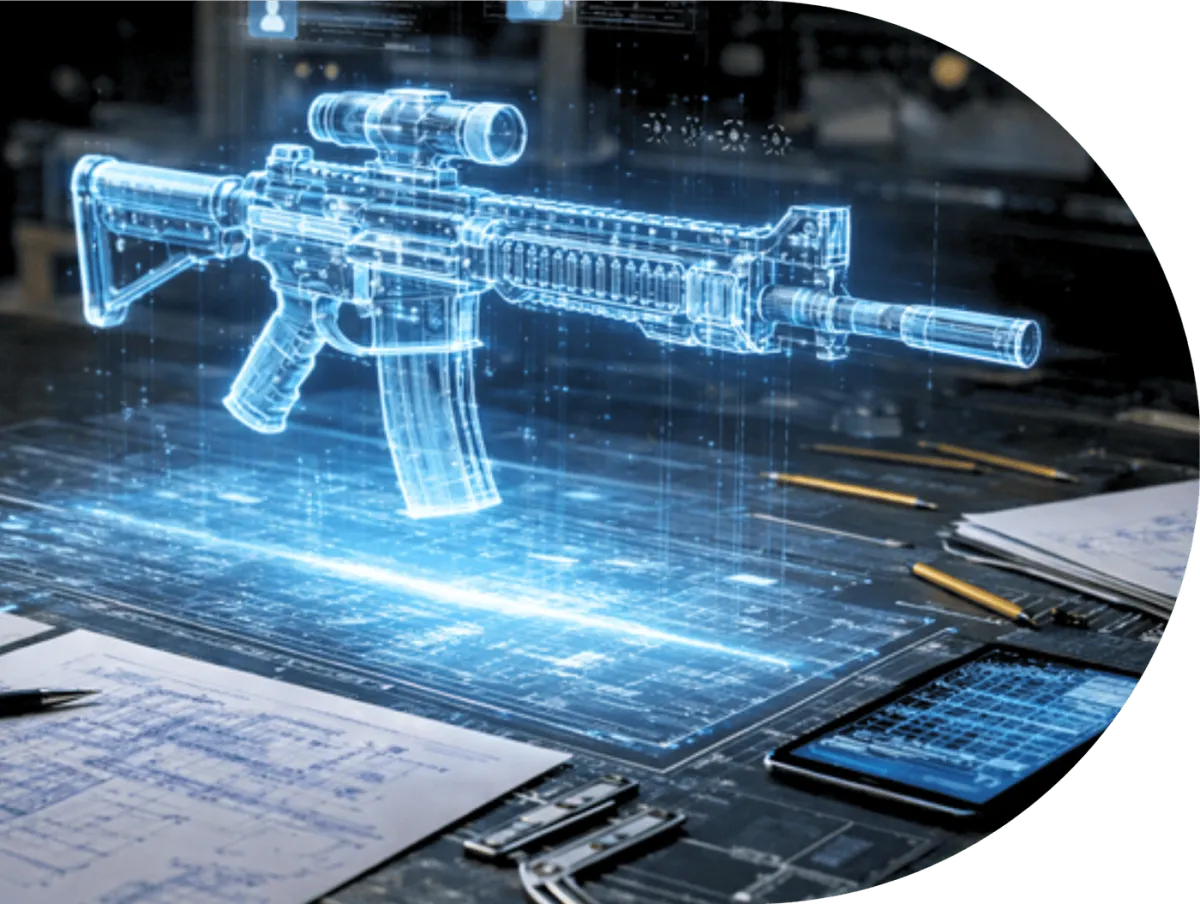
This workshop introduces the first principles of design thinking as a mindset rather than a functional capability confined to product teams. It challenges participants to adopt design thinking across the organization to optimize products, services and customer experience. Through a provocative case study of ‘designing’ an assault rifle, participants engage with a complex system unfamiliar to most civilians, forcing them to examine user needs, cultural nuances and contextual realities at a deeper level.
The session emphasizes understanding trade-offs, recognizing that the “best” solution is not always the most appropriate for a given environment, and placing culture at the center of every design process. It breaks the myth that superior resources guarantee superior outcomes and instead highlights adaptability, perspective and contextual intelligence.
OUTCOME
Participants gain a practical framework for applying design thinking in complex environments, sharpen their ability to interpret culture as a design input, and strengthen their agility in navigating ambiguity. They leave with enhanced innovation skills, a clearer appreciation of trade-offs, and a mindset shift toward designing solutions that fit real-world contexts rather than theoretical ideals.
EXECUTIVE PRESENCE

Command Presence, also known as Executive Presence, is the ability of an individual to exude a distinct sense of leadership such that he or she stands out naturally in a group of peers. Leaders who acquire this trait develop an enhanced ability to lead, advocate their case and manoeuvre their journey through corporate hierarchies far more effectively. This session teaches the first principles of leadership and presents a practical framework to strengthen a leader’s aura and presence.
There is a saying that we get only one chance to make a first impression, and in a world of reducing attention, that chance is limited to a few seconds. Research shows that most people form opinions within the first minute of interaction. Leadership can be equated to a torch that shines light because of a lit bulb reflected by mirrors. Presence requires both depth of capability and the ability to project it effectively. Participants learn how perception is shaped, why more than 70 percent of communication is non verbal and how early moments determine authority and trust.
OUTCOME
Participants leave with a clear framework and work plan to enhance their executive presence, extend influence beyond authority and continue building a strong, credible personal brand.
DEEP WORK

Deep Work is the ability to focus intensely on cognitively demanding tasks and produce elite-level outcomes. This workshop explores why deep work differentiates elite performers from mediocre ones and why it is essential in a rapidly changing, globally connected environment. It challenges the myth of multitasking, highlights the cost of shallow work, and explains how high-quality output in shorter time frames creates both mastery and competitive advantage. As automation and artificial intelligence reshape industries and lower entry barriers for global talent, leaders and organizations must cultivate the discipline required to perform at elite levels or risk losing relevance.
OUTCOME
Participants learn a practical framework for creating the right environment for deep work within their teams and organizations. The session builds rigour and discipline, enabling a shift from a culture of visible busyness to one that consistently produces high-quality, meaningful work at both individual and organizational levels.
MANAGEMENT LESSONS FROM THE STREET

One of Capt Raman’s most popular sessions, viewed over 20 million times across social media, this workshop has received rare acclaim from business and government leaders worldwide for its simplicity, impact and practical implementability.
The powerful session identifies seven crucial management skills that can be learnt from the ‘unorganised’ sectors and distils powerful lessons in leadership, talent nurturing, sales, marketing, logistics and change management using examples drawn from everyday life.
“Give a man a fish, and you feed him for a day. Teach a man to fish, and you feed him for a lifetime.” Anchored in this philosophy, the session shifts the focus from providing answers to building capability. It challenges the assumption that leadership and management lessons reside only within branded institutions or large corporates. In countries like India, where the informal sector drives much of GDP and employment, powerful business acumen operates in plain sight, waiting to be recognised and applied.
OUTCOME
Participants learn to recognise opportunity in ordinary contexts, decode micro-economies with clarity and translate grassroots insight into scalable business advantage, especially in B2C markets operating closer to the bottom of the pyramid.
THE TWO TSUNAMIS: GEN Z & AI

Two forces are reshaping organisations at the same time. A generation is entering the workforce with different assumptions about authority, loyalty and meaning. In parallel, artificial intelligence is rewriting what work is, how fast it moves and how many people are needed to do it. Most leaders were trained for neither, and are meeting both at once.
This session treats them as a single challenge rather than two separate problems. It examines why command and control approaches fail with a generation that has never known a scarcity of information, and why organisations that adopt AI as a tool while leaving their culture untouched capture almost none of its value. Drawing on examples from business, the Armed Forces and the informal economy, it separates the genuine shifts from the noise.
OUTCOME
Participants leave able to lead across generational divides without diluting standards, to judge where AI genuinely changes their operating model and where it does not, and to build teams that treat both forces as an advantage rather than a threat.
Media
TRUSTED BY




